
How to Improve Coordination and Balance for Peak Performance
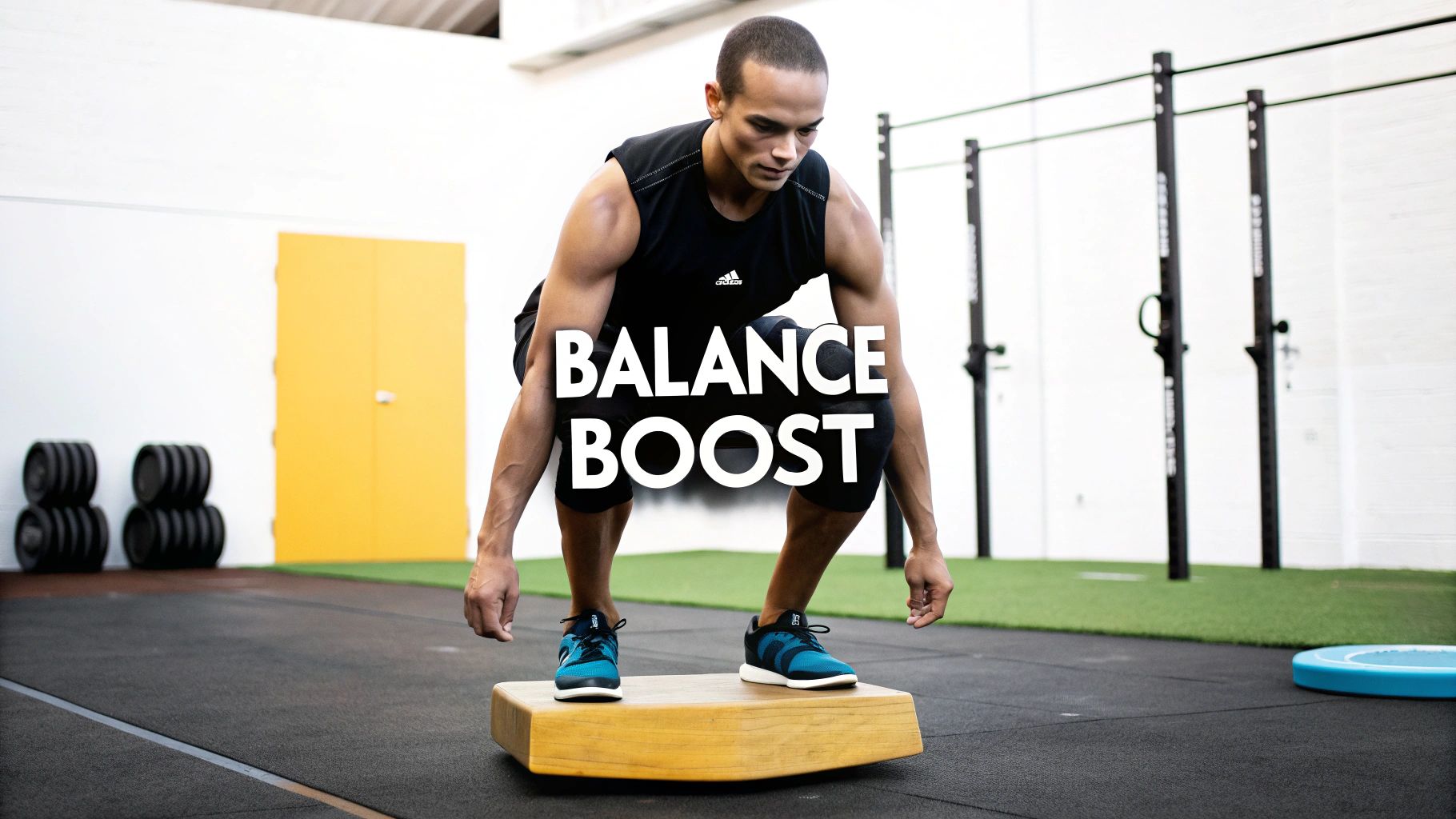
Every journey to solid balance begins with one question: what’s really tripping you up—muscle weakness, fuzzy joint feedback, a shaky inner ear, or a mind juggling too many tasks?

Years of sitting tightens hip flexors and robs your glutes of their strength. Picture stepping off a curb after a 8-Hour desk stretch only to feel your ankle wobble.
Focusing on a single sport without mixing in different movements leaves gaps in your muscle toolbox. That’s why some runners nail the road but struggle on rocky trails.
When your brain is racing through emails and errands, it forgets to cue the tiny stabilizers. Suddenly, every step feels like walking on ice.
Mary, 68, noticed a gentle sway whenever she reached overhead. It turned out her vestibular system was sending mixed signals, not her legs betraying her.
Weekend hikers clambering over rocks often blame loose gravel. These unpredictable twists catch many unprepared ankles off guard.
Office colleagues can barely land firmly after a stair descent. It’s a sign to mix in quick-feet drills, not just extra coffee breaks.
A single-leg hold is a quick reality check. If your hip dips or your knee drifts inward, you’ve found your weak link.
Clamshells, donkey kicks, and calf raises are small tweaks with big impact. They teach your stabilizers to fire exactly when you need them.
Balance Only Comes When Strength Meets Control. Don’t Skip This Joint-Specific Work.
Your proprioceptors are your internal GPS, and when they scramble, landings feel sloppy. Training on uneven surfaces forces your body to relearn position in real time.
Inner-ear confusion jumps in when you tilt or turn your head too fast. It’s that room-spin sensation that leaves you hunting for a stable view.
Gentle nods and side-to-side head tilts retrain your balance center. A few minutes each morning can calm those dizzy spells.
Spinning Sensations Fade As Your Brain Relearns Stable Reference Points.
When your mind multitasks, your posture pays the price. Distractions make each step feel like walking a tightrope.
Pair a tandem walk with backward counting or word puzzles. These drills teach your nervous system to lock in form even under pressure.
By mapping out your personal stumbling blocks, you build a training plan that targets the real issue. Every drill becomes a deliberate step toward steadier movement.
Using an AI pose-analysis tool like Dalm provides immediate sway feedback and alignment tips. That way, you’re always fixing the root cause in each session.
Before you dive into kettlebells or wobble boards, it helps to know exactly where your balance stands. A few quick field tests will reveal if your static holds are solid or wobbling under pressure. All you need is a stopwatch and a marked spot on a flat floor.
Stand barefoot on one leg, hands on hips, and keep your eyes open. See how long you can stay rock-steady—up to 60 seconds. Then switch sides and compare.
For a real challenge, close your eyes. You’ll feel proprioception kicking in as soon as your foot starts hunting for grip.
Key Points
Lay out three tape lines at 45-degree angles in front, to the side, and behind your standing foot. Reach as far as you can along each line, lightly tapping down before returning to center. Measure from your big toe to the tip of your finger and jot it all down.
To get your composite score, add your max reaches and divide by your leg length. If you’re below 94%, you’ve spotted a real opportunity—especially if you run trails or hit uneven terrain often.
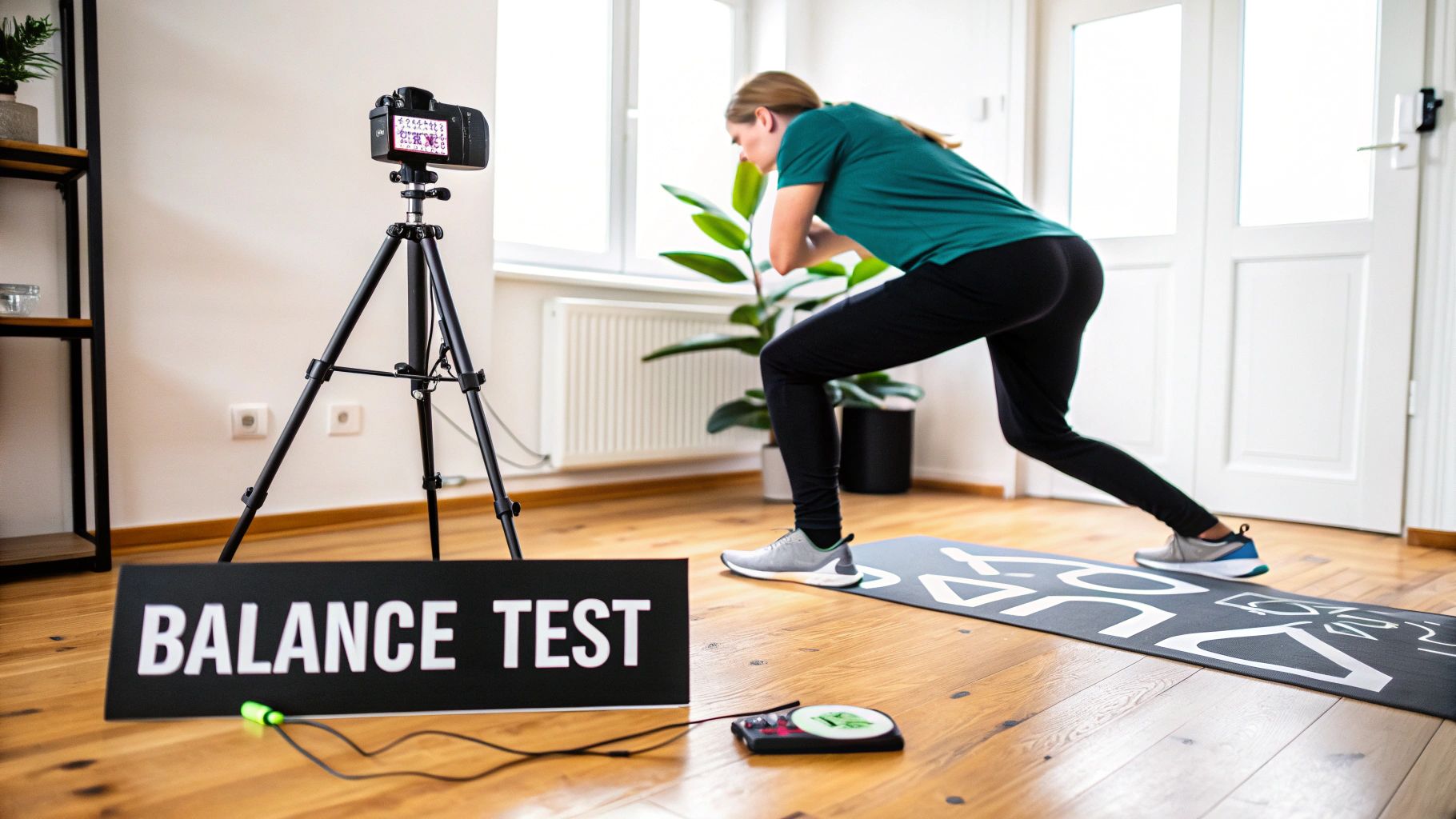
This image shows the Berg Balance Scale setup for standardized balance scoring. From this screenshot you can see key items: a chair, a measuring device, and tasks that test various balance aspects.
Walk ten steps heel-to-toe, one foot directly in front of the other. Use a stopwatch for total time and keep count of any missteps or hesitations. Ideally, you finish in under 20 seconds with zero stumbles.
For extra brain-body integration, add a counting-backwards-by-threes challenge. Suddenly it’s a dual-task workout.
Quick Tips
Sensory-cognitive drills—think dual-task balance work and vestibular rehab—consistently boost standardized scores by 20–50% over 4–12 weeks in mixed trials. Check out more on the OECD Data Monitor.
Effective assessment is the first step toward lasting coordination and balance gains.
Build a simple chart—columns for Date, Test Type, Side, Score, and Observations. Seeing results in black and white highlights trends you might otherwise miss.
When you record video, upload the clips to Dalm’s pose-analysis dashboard. The tool flags joint angles, sway amplitude, even reaction times so you’re never guessing.
Consistency Tips
Reassess every two weeks. Spot a 15% jump in hold times or fewer missteps? That’s real proof you’re getting steadier.
Now it’s your turn—track your stats in Dalm and toast every small win.
Starting with a single-leg hold helps you tune into the tiny shifts underfoot. Try balancing on one leg for 20 seconds on solid ground.
To push your limits, close your eyes, narrow your stance, or tilt your head gently as you stay upright.
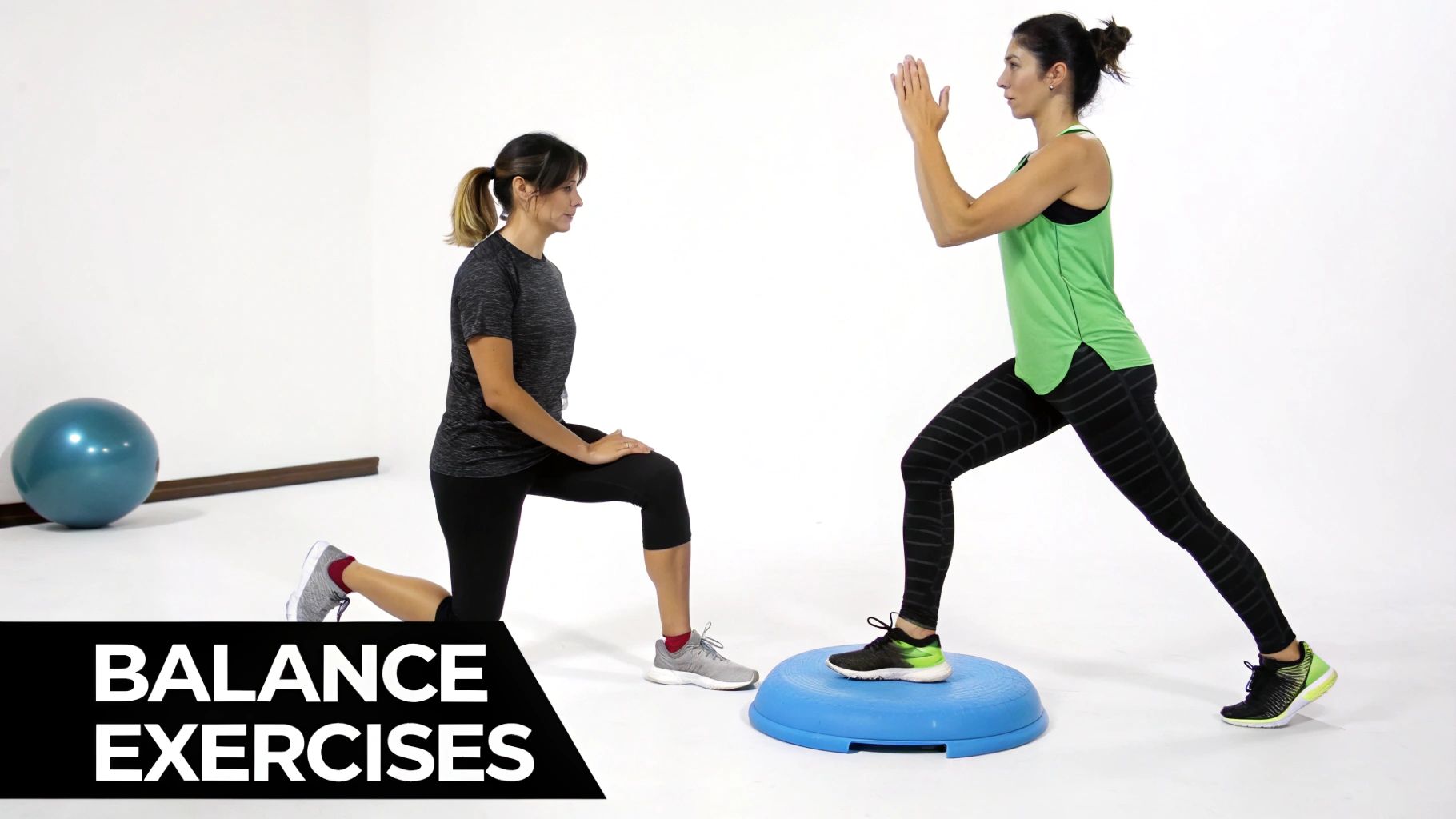
These micro-adjustments fire up the muscles that guard your joints. Over 12 weeks, consistent holds can reduce fall rates by 23–39% and ease the burden on caregivers. Read more on the fall reduction benefits.
Moving through space teaches your body to react on the fly. Mix in walking lunges, controlled kicks, and heel-to-toe walks to mirror daily demands.
Adding a BOSU ball or wobble board throws subtle surprises at your nervous system, sharpening reflexes and boosting real-world control.
Unstable surfaces mimic daily surprises, sharpening your reflexes
Before committing to one style, see how they differ:
Mixing static and dynamic drills over two to three sessions weekly for at least 12 weeks delivers the most robust balance gains.
Find more routines in our balance improvement exercises guide. Tracking with Dalm’s AI pose analysis lets you monitor sway angle and hold duration precisely. You’ll know exactly when to ramp up the challenge or ease off.
Small tweaks today compound into major stability gains tomorrow
Build safely by adding 5 seconds to your holds each week, and gradually increase rep counts on dynamic moves.
Structure your week with variety and rest. Early in the week, pair static holds with foam-pad challenges. Midweek, shift to dynamic lunges, heel-to-toe paths, and a wobble board drill. Later sessions blend BOSU moves and head-turn variations. Finish each week with light active recovery and proprioceptive tasks.
Review your trends weekly. Dalm’s progress charts make it easy to celebrate milestones like longer holds or steadier lunges.
Consistency beats intensity when mastering coordination and balance
Always kick off with ankle circles and hip openers. If you feel dizziness or sharp pain, pause and rest.
Good shoes or a barefoot-friendly mat can improve grip. And remember: recovery matters as much as the drills.
Listen to your body and respect its limits to reduce injuries
Each month, review your Dalm logs to pinpoint plateaus. Tweak drills, surfaces, or rep schemes to keep progress steady.
Join the conversation on Dalm’s community forum for tips and encouragement. Celebrate every extra second of hold time and every smoother landing you nail.
Mastery comes from consistent practice and mindful progression
Firing up your neuromuscular system doesn’t require expensive equipment. A handful of targeted movements gets your brain and body talking—and the results show up quickly.
Try ladder drills, cone patterns or dot-hop routines. In minutes, you’ll notice crisper footwork and more controlled landings.
Add a ball toss while balancing on one leg and you simultaneously sharpen stability and hand–eye coordination.
Balance discs, foam rollers or stability pads introduce subtle wobble into your drills. Your proprioceptors kick in the moment you step on them.
Sport-specific twists keep training fun and relevant: soccer-style cuts or dance-inspired step patterns make practice feel like play.
Stick with it—within a few weeks, most people report tighter landings and quicker directional changes.
Engage reactive control under fatigue by mimicking real-game demands. Soccer-style zigzags, shuttle runs and dance-inspired footwork all have a place in your routine.
Layer on wobble pads or balance discs to force tiny, constant adjustments—this is where stability meets resilience.
Integrating plyometrics with these drills can cut noncontact ACL injuries by about 35%, while balance scores climb 5–15% over 6–12 weeks. Read the full research on injury reduction patterns.
Small stability gains combine into major performance improvements over time.
Meanwhile, Dalm’s AI pose analysis delivers real-time feedback on joint angles and sway. Upload a quick video to catch those subtle misalignments you’d otherwise miss.
Proprioception is your internal sense of limb position—drills that nudge joint angles and muscle tension help you own every movement. For a deeper dive, check out our guide on proprioception training.
Older adults might begin seated, practicing one-leg holds and gentle ball tosses. As confidence builds, reduce support and stand taller each week. Hikers in particular rave about sharper foot placements and steadier descents—Jenna, a weekend adventurer, slashed her ankle rolls by half after just two ladder sessions a week.
Always start with ankle and hip warm-ups—circles, gentle dynamic stretches, that sort of thing. If you wobble early on, use a chair or wall for support.
Don’t rush onto unstable surfaces until basic strength and mobility are solid. Sharp pain, dizziness or uncontrollable sway are signs to dial back.
Footwear matters: barefoot-friendly mats amplify sensory feedback, while supportive shoes cushion impact. Experiment to find what feels best for each drill.
Keep sessions playful to avoid plateaus. Swap drill order, change surfaces or toss in a ball challenge.
Consistency—more than intensity—drives progress. Celebrate every extra second you hold a balance or every smoother cut you nail.
Track your workouts in a journal or app. Review your stats every two weeks and tweak difficulty based on your growth.
These coordination exercises will light up your proprioceptors. Start small, build gradually—and watch your balance take flight.
Building a habit out of your balance assessment is about weaving practical drills into your week. Mix in static holds, dynamic footwork, and proprioception challenges to keep things fresh and targeted.
For instance, beginners often slot in 2 balanced sessions per week—think single-leg stands paired with basic ladder patterns. Meanwhile, those at an intermediate level bump that to 3 workouts, introducing wobble-board drills and dual-task exercises to raise the stakes.
Below is a quick roadmap for a week’s worth of balance work, tailored to three skill levels.
This plan steadily increases complexity without burning you out. Rest days sprinkled in let your body recover and adapt.
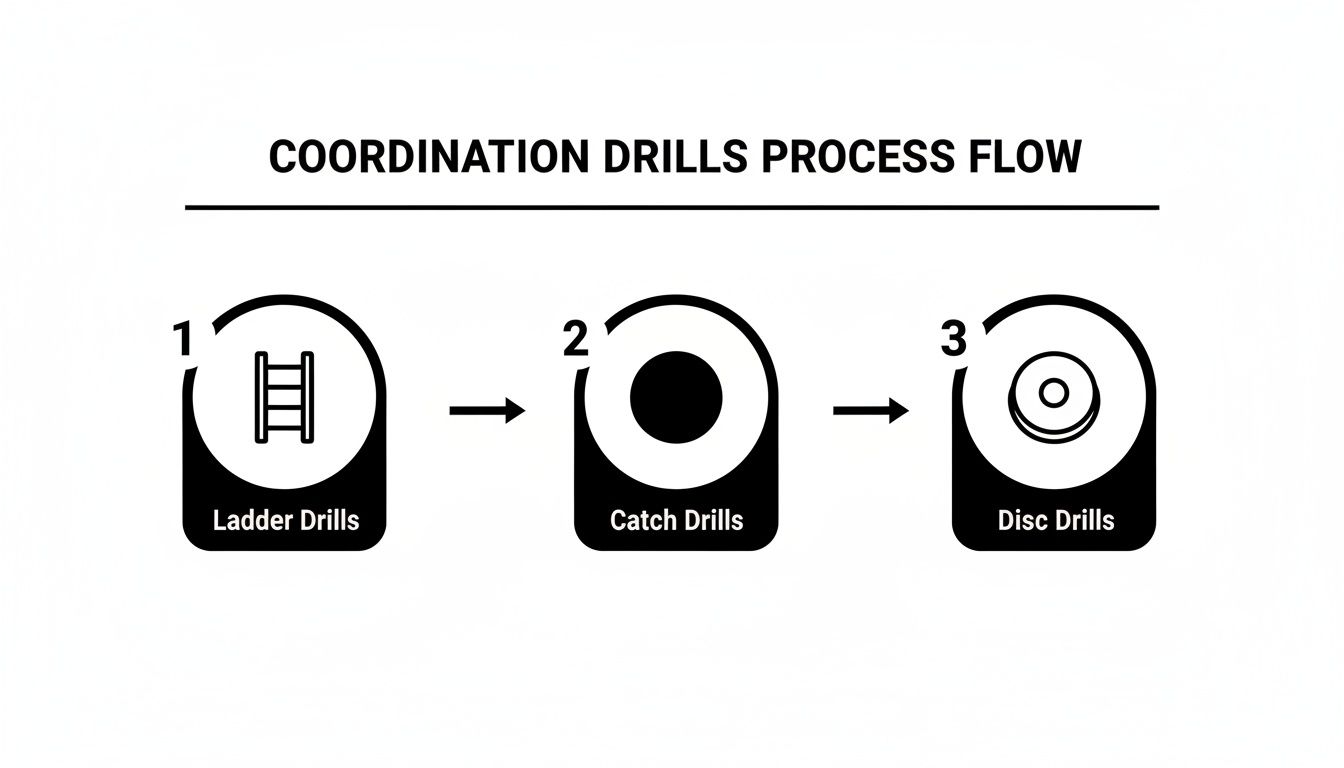
That visual highlights the flow from ladder drills into catch challenges and disc work—a clear pathway to better coordination.
Apps like Dalm record every angle and sway. You end up with hard data on joint alignment and movement smoothness. Suddenly, progression isn’t guesswork.
Key Takeaway: Real-time feedback cuts form errors by 30% compared to manual checks.
On top of that, you can:
You might also explore our guide on the best fitness tracking apps for more ways to monitor your workouts.
Never skip ankle and hip warm-ups—controlled circles and gentle stretches set you up for success. If dizziness or sharp pain crops up, pause and try seated versions until you feel solid again.
Safety first: a small regress today prevents setbacks tomorrow.
Additional tweaks for different needs:
Over time these tweaks compound into gains. Keep chasing that steady stride.
Progression feels exciting—until posture crumbles. Push too hard on that wobble board before you’re ready, and you could pay the price.
When Sarah skipped ankle drills, she hopped straight onto an unstable surface and ended up with a painful sprain. Trust me, nobody wants that kind of souvenir.
Common Slip-Ups:
A few hip circles and ankle rolls go a long way. Listen closely when your joints protest with sharp twinges or excessive wobble. That’s your cue to dial back, not dive in deeper. Mark, at 72 years old, learned this the hard way—balancing on a mat without support left him reaching for stability (and feeling shaken).
Your instinct might whisper “add difficulty,” but unplanned jumps often end badly. Beginners benefit from steady steps: a chair, a wall or a sturdy rail can be your best friend.
Safety Tip: Small regressions today prevent major setbacks tomorrow.
Think about footwear, too. Barefoot on a mat sharpens that body-awareness; a solid trainer cushions your fall. Adjust each drill to where you really are—not where you hope to be.
Sarah’s second wobble board mishap came after she piled plates on a BOSU. A split-second slip, and she walked away with a bruised hip.
Common Mistakes To Avoid:
If things get too tough, make it easier. Someone older? Lean on a rail. Working with a balance disc? Pump it up slowly.
Use Dalm’s AI pose-analysis to catch subtle sway and posture shifts. Immediate alerts let you correct on the fly—no guesswork necessary.
Keep sessions lighthearted—turn progress into a game, and celebrate every steady hold. Cool down with gentle stretches when you’re done.
These small tweaks, compounded over time, will solidify your balance and coordination without the drama of setbacks.
When you pivot or change direction and feel shaky, you’re not alone. Improving coordination and balance doesn’t have to be complicated—simple drills get you there.
Aim for consistency. Most coaches agree: three times per week hits the sweet spot for steady gains.
You don’t need high-tech gadgets to kick off static work. Just stand on one leg for 20 seconds, and you’ll feel your stabilizers wake up. To ramp up the challenge, close your eyes or bring your feet closer together—always with a support nearby.
“Form first, speed second ensures each movement translates to real life stability.”
Short, 15-minute bursts throughout the week keep boredom at bay and progress on track.
A little tech goes a long way when fine-tuning your posture. Tools like Dalm analyze your joint angles and sway in real time, so you can correct on the fly.
If you’re older or rehabbing an injury, small tweaks make all the difference. Try these gentle starters:
Logging each tweak on Dalm’s dashboard turns tiny improvements into major milestones. You’ll celebrate every dip in sway angle and each extra second you hold steady.
Have more questions? Reach out to our support team or explore our tutorials.
Boost your balance with live feedback and celebrate every win—try Dalm here.